
BASIC AUDIO: Equalization, Debunking Myths, and Avoiding Common Mistakes(Letto 46 volte)
BASIC AUDIO Series Articles
This series of elementary level articles branded as BASIC It is intended for amateur sound engineers who seek to increase their awareness and competence in mixing and in theaudio recording in general.
With a focus on equalization, in this short article we'll explore some key concepts and dispel some common myths, providing a solid foundation for those looking to deepen their knowledge and skills in this fascinating area of music production.
Goals of Equalization in Mixing
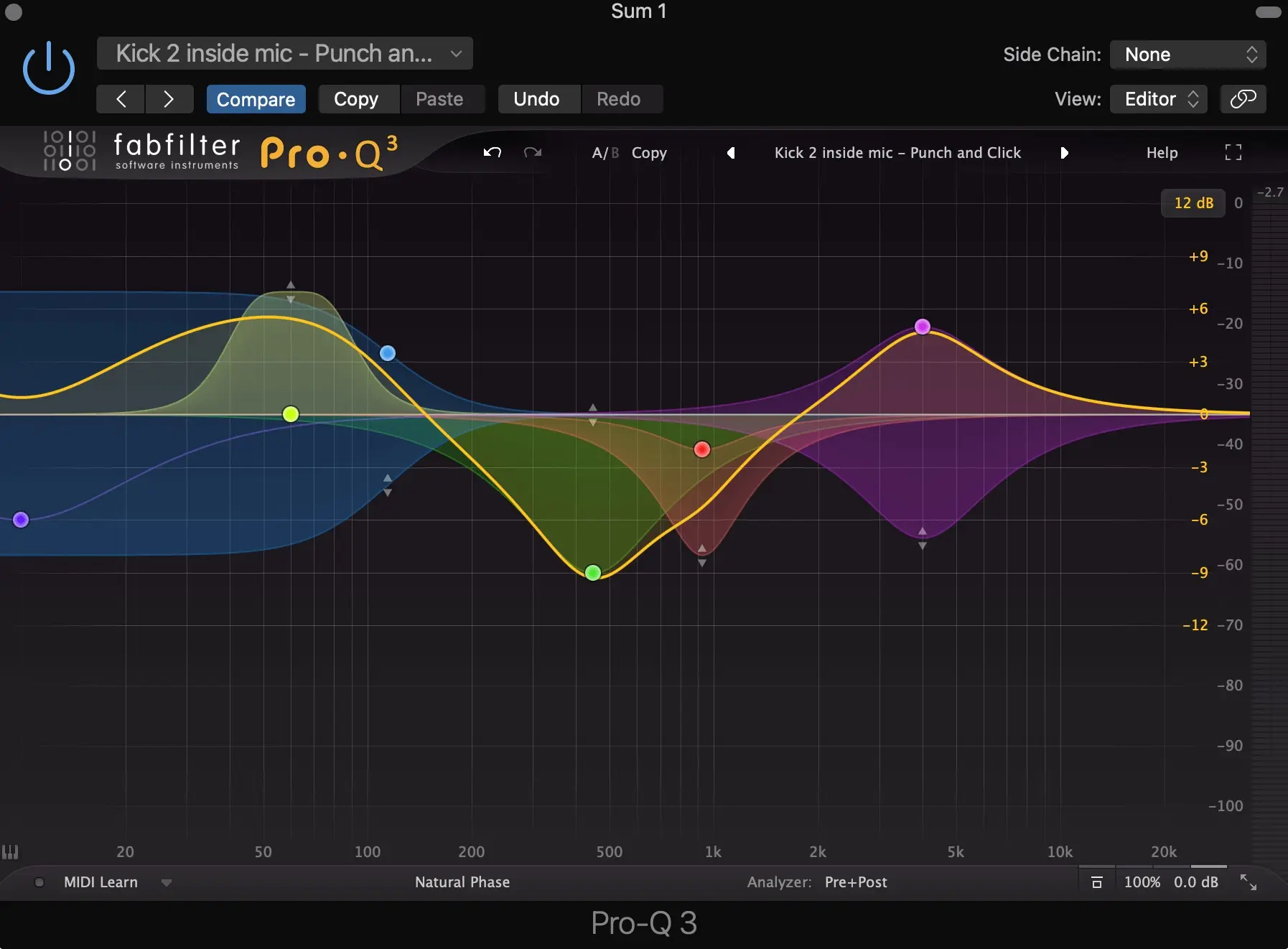
Equalization is a crucial artistic and technical process in music mixing. It serves to make each element of the mix distinctive and clear, improving the overall harmony of the track. This includes preemptively correcting unwanted resonances and adapting each sound source to specific frequency ranges, ensuring it occupies its own tonal space in the mix without overly masking the others.
Debunking Common Myths
- “More EQ is Better”Excessive EQ can create an overpowering and unnatural mix. It's crucial to use EQ sparingly and with a clear purpose. More selective and in-depth targeted interventions require in-depth knowledge and extensive experience.
- “EQ Can Fix Everything”EQ can improve some aspects of an imperfect recording, but it can't compensate for poor initial recording quality. The search for optimal sound always begins at the source.
Common Equalization Mistakes
- Excessive use of EQAn overly invasive EQ can significantly alter the original character of the sound. The goal is to improve clarity and tonal progression, not to radically transform it (unless you're looking for special effects).
- Ignoring the Context of the MixIt is essential to consider how each change fits into the overall mix, to ensure that each element integrates harmoniously.
- Unreliable MonitoringOne of the biggest challenges in mixing is ensuring that what you hear is an accurate representation of the sound. A poorly acoustically treated mixing room, unreliable audio monitors, and poor positioning of the listening position can lead to poor EQ and overall sound decisions.
***
For more information on equalization
For a detailed look at equalization and mixing techniques, see Digital Audio Mixing Manual (Amazon Best Seller in December 2023) is an invaluable resource for anyone looking to advance their digital audio skills.
For further reading, we recommend this publication:

 Italian
  English
  French
  Spanish
  German
Leave a Reply
Want to join the discussion?Feel free to contribute!